The second round of matches in FIFA World Cup Group F brings together two of Europe’s most recognisable football nations as the Netherlands and Sweden meet in a fixture that could have a significant bearing on the outcome of the group. With the tournament beginning to take shape and qualification for the knockout phase already a major talking point, both sides arrive in Houston knowing that a positive result would strengthen their position ahead of the final round of group-stage fixtures.
The match takes place on Saturday 20 June 2026 at NRG Stadium in Houston, Texas, with kick-off scheduled for 12:00 local time, 19:00 in both the Netherlands and Sweden. It forms part of a compelling Group F programme that also includes Japan and Tunisia, creating a section that remains finely balanced after the opening round of matches.
Few fixtures at this stage of the competition combine such contrasting emotions. Sweden enter the contest buoyed by a commanding opening victory, while the Netherlands are looking to respond after dropping points in their first outing. The differing results have created an intriguing dynamic. Sweden have momentum and confidence; the Dutch have urgency and a desire to demonstrate why they remain among the tournament’s most respected teams.
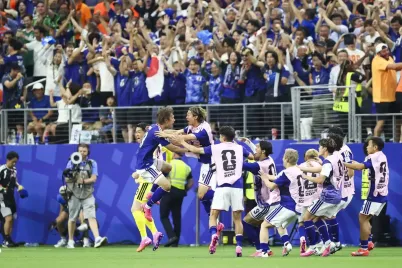
Ronald Koeman’s side began their campaign with a 2-2 draw against Japan in Dallas. It was a match that appeared to be moving in the Oranje’s favour before a late concession denied them victory. The result left a sense of frustration within the Dutch camp, particularly given the importance of making a strong start in a group where every point could prove decisive. Koeman subsequently acknowledged that aspects of the team’s game management and substitutions had not delivered the desired outcome, placing additional focus on the response his players produce in Houston.
That draw extended a broader narrative surrounding the Netherlands. The squad contains considerable quality across the pitch, blending experienced internationals with players entering their prime years. Expectations remain high whenever the Dutch appear at a major tournament, especially given their long-standing reputation for technical excellence and attacking football. Yet World Cup history has often featured moments of brilliance mixed with frustration, making every tournament campaign a fresh opportunity to pursue the title that has eluded them despite reaching three finals.
Leadership remains one of the team’s major strengths. Koeman is overseeing a group featuring established figures who understand the demands of elite international football. At the heart of the side stands captain Virgil van Dijk, whose influence extends beyond defensive organisation. Around him are players capable of controlling possession, progressing the ball through midfield and creating opportunities in the final third.
Among the individuals attracting attention is Cody Gakpo. The forward continues to be one of the Netherlands’ most dangerous attacking threats and has spoken about the challenge posed by Sweden’s defence. His ability to operate across multiple attacking positions provides flexibility within Koeman’s system and offers an important outlet when matches become congested.
Memphis Depay remains another significant figure. Although managing a recent thigh issue and not yet at full sharpness during the opening fixture, he continues to be viewed as an important attacking option. His experience in major tournaments and proven ability to produce decisive moments make him a player Sweden will monitor closely.
There are, however, confirmed availability concerns for the Dutch. Midfielder Quinten Timber has been ruled out of the Sweden match after sustaining a concussion in training. The absence removes a useful option from Koeman’s midfield resources and slightly reduces the depth available as the tournament schedule intensifies. Frenkie de Jong has also been dealing with illness, although the extent of his involvement remains dependent on his recovery.
Tactically, the Netherlands are expected to place considerable emphasis on controlling possession and dictating tempo. Koeman has indicated a desire for more aggressive pressing and improved organisation without the ball after identifying shortcomings in the draw against Japan. The challenge will be balancing attacking ambition with defensive security against a Swedish side that demonstrated considerable efficiency in transition during its opening match.
Sweden arrive in Texas with a very different mood. Their 5-1 victory over Tunisia represented one of the country’s most emphatic World Cup performances in decades and instantly established them as genuine contenders to progress from Group F. The margin of victory generated headlines, but equally significant was the manner in which the team achieved it. There was structure, intensity and clinical finishing throughout the performance.
Much of the attention has centred on the partnership between Viktor Gyokeres and Alexander Isak. Both players found the net against Tunisia and continue to form one of the most exciting attacking combinations in international football. Their contrasting attributes complement one another effectively. Gyokeres provides relentless movement, physical presence and goal-scoring instinct, while Isak offers technical quality, intelligent positioning and the ability to create opportunities from seemingly difficult situations.
Head coach Graham Potter has been vocal about the importance of the duo, describing their contribution as central to Sweden’s ambitions. Yet he has also stressed that the collective remains the foundation of the team’s success. Sweden’s progress under Potter has been notable, with the coach bringing renewed structure and clarity following a difficult period. Reaching the World Cup itself required resilience, and the opening victory has reinforced belief within the squad that they can compete with any opponent in the group.
Behind the forwards, Sweden possess experience in key positions. Captain Victor Lindelöf provides leadership and organisation in defence, while the wider squad combines established internationals with players eager to make an impact on the biggest stage. Notably, reports ahead of the tournament indicated that all 26 members of Sweden’s squad were fit, giving Potter valuable options as he prepares for one of the toughest fixtures in the group phase.
The tactical battle promises to be one of the most fascinating aspects of the contest. Sweden demonstrated against Tunisia that they are comfortable defending compactly before attacking quickly through their forwards. Their ability to exploit space behind opposition defences could be particularly relevant against a Dutch side likely to enjoy long periods of possession.
For the Netherlands, containing Isak and Gyokeres represents a major priority. Koeman has already highlighted the threat posed by the pair, recognising that defensive concentration will be required throughout the ninety minutes. At the same time, Sweden must contend with the movement, creativity and technical quality that have long defined Dutch football.
Historical context adds another layer of intrigue. Despite both nations possessing rich football traditions, meetings between them at the World Cup have been remarkably rare. Their only previous encounter in the competition came during the 1974 tournament when they played out a goalless draw. More than half a century later, the teams meet again on football’s grandest stage with significantly higher immediate stakes attached to the outcome.
Outside the World Cup, there have been numerous competitive clashes between the countries, including memorable qualification campaigns and European Championship encounters. Those meetings have often been closely contested, reflecting the strong footballing cultures that exist in both nations. The Netherlands traditionally favour technical dominance and fluid attacking play, while Sweden have frequently built success on organisation, discipline and collective spirit.
Interesting storylines continue to emerge around the fixture. Swedish supporters have travelled in large numbers and arrive in celebratory mood following both the team’s opening victory and the coincidence of the match taking place during the country’s Midsummer festivities. Dutch fans, meanwhile, have once again transformed tournament venues into seas of orange, creating the colourful atmosphere that has become synonymous with major international competitions.
The broader Group F picture ensures that neither side can afford complacency. Sweden’s opening win has given them an early advantage, but a difficult final fixture still awaits. The Netherlands know that another positive result is essential to strengthen their chances of advancing. With Japan and Tunisia also competing for qualification places, the standings remain fluid and every point carries substantial value.
Attention will inevitably focus on several individual duels. Van Dijk’s attempts to manage the movement of Isak and Gyokeres could prove decisive. Midfield control may determine which side establishes rhythm, while effectiveness in wide areas could shape the flow of attacking opportunities. Small moments often define matches at major tournaments, particularly when the overall quality of the teams is closely matched.
As the tournament moves beyond its opening weekend and into a stage where ambitions begin to crystallise, this encounter carries significance beyond the immediate ninety minutes. A strong performance would not only influence the standings but also send a message to potential knockout opponents. Momentum can be a powerful force at World Cups, and both teams recognise the importance of building it early.
Houston therefore provides the stage for a meeting between two proud football nations pursuing the same objective. The Netherlands seek a response after a frustrating start. Sweden aim to build on an impressive victory and move closer to the knockout rounds. With accomplished managers, established international stars, contrasting tactical approaches and qualification implications already emerging, all the ingredients are in place for one of the most compelling fixtures of the group stage.
By the time the final whistle sounds at NRG Stadium, the picture in Group F is likely to be considerably clearer. Whether it is the Dutch rediscovering momentum or Sweden reinforcing their growing credentials, the result will resonate far beyond Houston as the race for a place in the knockout phase gathers pace.