
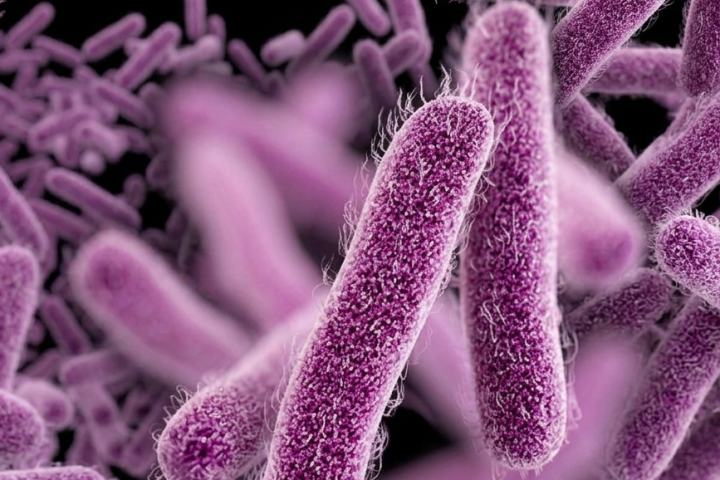
- A research study has found sexually transmitted Shigella is spreading faster and over greater geographical distances than non-sexually transmitted strains in England
- Published in The Lancet Infectious Diseases, the study involving Kingston University showed an increase in cases of sexually transmitted Shigella over the last few years
- The strains were found to spread an average distance of 117km, compared to 46km for non-sexually transmitted strains
A nationwide genomic epidemiology study involving a researcher from Kingston University has revealed that sexually transmitted Shigella sonnei is spreading faster, over greater geographic distances and with higher transmission intensity than non-sexually transmitted strains in England.
Published in The Lancet Infectious Diseases and led by the University of Cambridge and UK Health Security Agency (UKHSA), the study provides the most detailed mapping to date of how Shigella – traditionally known as a food and water-borne intestinal infection – has evolved into a rapidly circulating, drug-resistant sexually transmitted infection (STI) primarily affecting sexual networks of gay, bisexual, and other men who have sex with men.
Shigella, most commonly found in faeces and contracted through contaminated food, can cause severe diarrhoea, fever and stomach cramps.
UKHSA figures show that there were more than 2,500 cases of sexually transmitted Shigella in England in 2025, up from just over 2,000 in 2023.
The study analysed 3,514 samples of Shigella from people over the age of 16 in the UK between 2004 and 2020. Over a two-and-a-half-year period, the sexually transmitted Shigella strains were found to spread an average distance of 117km, compared with 46km for non-sexually transmitted strains.
The study also found that 70 per cent of sexually transmitted Shigella strains were resistant to at least one clinically relevant antibiotic, compared with 40 per cent of non-sexually transmitted cases and 49 per cent of cases contracted while travelling.
Historically, public health agencies relied on basic hygiene messages, such as washing hands and avoiding contaminated food or water, to curb outbreaks.
However, researchers, including Lecturer in Biological Sciences at Kingston University, Dr Lewis Mason, stress these standard infection-prevention measures are largely ineffective against the sexual transmission of Shigella via direct or indirect oral-anal contact during sex.
To control the spread of drug-resistant shigellosis, the researchers surmised it’s imperative that alternative interventions, such as effective vaccines, microbiological clearance pathways, and tailored treatment guidelines, are urgently developed in partnership with patient communities.
Discussing the study’s findings, Dr Mason said it highlighted the need to better manage antimicrobial stewardship across pathogens at a public health level. “We have found a worrying increase in cases of antibiotic-resistant Shigella being transmitted sexually, and there isn’t enough public awareness or effective interventions out there currently to stop the spread of this infection – particularly with Shigella becoming resistant to more antibiotics.”