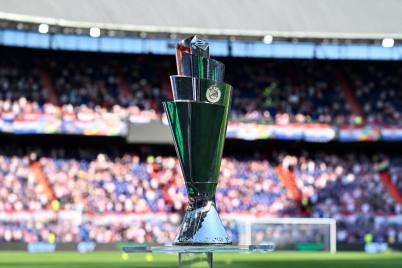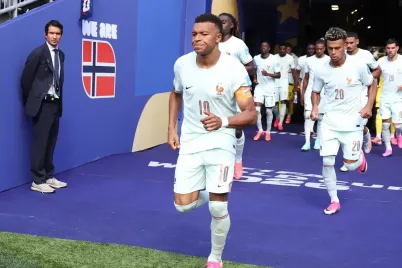
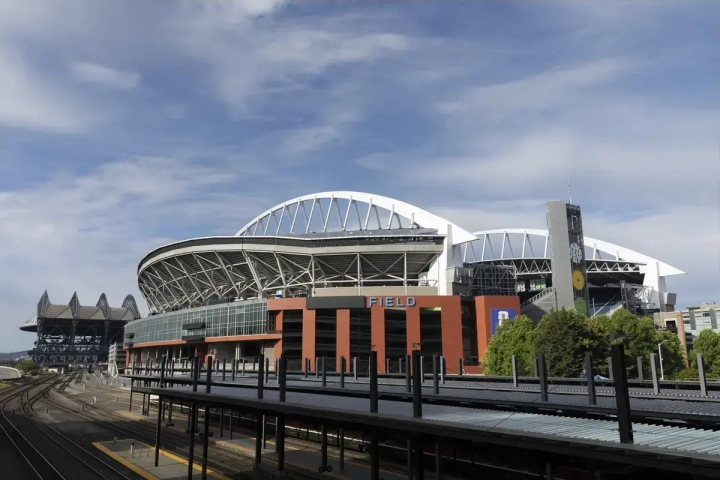
The unforgiving reality of knockout football reaches a fever pitch as the 2026 FIFA World Cup delivers one of the most fiercely anticipated and controversial fixtures of the tournament. Moving into the climax of the Round of 16, a clash of immense tactical magnitude and extraordinary off-pitch drama awaits in the Pacific Northwest. Scheduled for a 01:00 BST kick-off in the early hours of Tuesday, 7 July 2026, the United States will lock horns with European heavyweights Belgium. Staged beneath the towering roof of the Seattle Stadium in Washington, this intercontinental derby presents a brutal equation: victory secures a prestigious place in the quarter-finals, while defeat guarantees an immediate departure from the global stage.
Geographical advantage and soaring domestic expectations collide head-on with seasoned European pedigree. For the co-hosts, the objective is to capitalise on an unprecedented wave of home support and navigate their way into the final eight, a feat that would permanently cement this generation’s legacy. Conversely, their opponents are determined to prove that their veteran core possesses the mental fortitude and physical endurance required to claim international football’s ultimate prize.
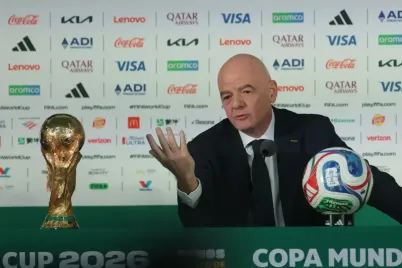
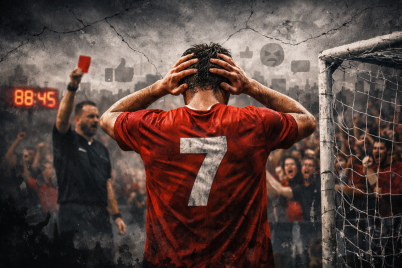
While the tactical preparations have been meticulous, the build-up to this encounter has been completely overshadowed by an unprecedented administrative storm. The narrative surrounding the United States camp received a dramatic, late shake-up following a highly controversial intervention by world football’s governing body. Star forward Folarin Balogun originally faced a mandatory one-match ban after receiving a straight red card in the 64th minute of their Round of 32 clash against Bosnia and Herzegovina. However, in a decision that has sent shockwaves through the sport, the suspension was officially rescinded just hours before kick-off.
The reversal immediately triggered a fierce political fallout. The Belgian Football Association expressed astonishment, lodging an immediate appeal to protect what they described as the fundamental principles of fair play. Head coach Rudi Garcia did not hide his fury during his pre-match press conference, sarcastically questioning if the calendar had suddenly shifted to April Fools’ Day. UEFA subsequently released a statement condemning the reversal as crossing a red line, branding the exception as incomprehensible. Regardless of the deafening administrative noise, the reality on the pitch remains unchanged: Mauricio Pochettino’s most potent attacking weapon is fully cleared to lead the line, completely altering the tactical complexion of the tie.
Navigating the opening hurdles of the competition perfectly illustrated the newfound resilience inherent within the American squad. Placed in a challenging Group D, Pochettino’s men systematically secured top spot ahead of Australia, Paraguay, and Türkiye. The Argentine manager has instilled a dynamic, high-pressing philosophy that perfectly complements the athletic profile of his roster.
Their progression through the Round of 32 provided a severe psychological examination. Facing a notoriously stubborn Bosnia and Herzegovina side, the United States were forced to dig remarkably deep, especially after Balogun’s second-half dismissal left them navigating a tense physical battle with a numerical disadvantage. Despite the pressure, they emerged with a highly professional 2-0 triumph, demonstrating a gritty defensive resolve often absent in previous tournament iterations. The midfield engine room, anchored by the relentless energy of Weston McKennie and Tyler Adams, successfully strangled the opposition’s creative output, while the backline, marshalled by Tim Ream and Chris Richards, remained impenetrable.
A far more gruelling and emotionally exhausting examination awaited Garcia’s outfit in their respective Round of 32 assignment. Drawn into Group G, the Red Devils navigated their preliminary campaign with relative comfort, finishing ahead of Egypt, Iran, and New Zealand. However, their first knockout fixture against Senegal rapidly evolved into one of the most remarkable spectacles of the 2026 tournament.
Trailing 2-0 with merely seven minutes of regulation time remaining, the European side appeared destined for a humiliating, premature exit. Summoning immense character, they engineered an astonishing comeback. A spectacular brace from captain Youri Tielemans resurrected their fading hopes, forcing the contest into extra time. Ultimately, it was substitute Romelu Lukaku who provided the decisive, dramatic winner to secure a breathtaking 3-2 victory. While the comeback highlighted unparalleled mental fortitude, the performance also exposed glaring defensive vulnerabilities that their upcoming American opponents will be eager to meticulously exploit.
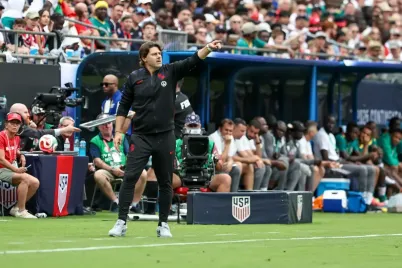
The touchline duel between Pochettino and Garcia promises to be an engrossing tactical chess match. Operating away from rigid, dogmatic systems, both managers demand fluid transitions and high-intensity pressing. For the United States, the wide channels serve as their primary offensive weapon. The explosive pace and trickery of Christian Pulisic and Timothy Weah consistently drag opposition full-backs out of position, creating vital central space. The reinstatement of Balogun provides the essential focal point required to pin back the Belgian central defenders, allowing the wingers to cut inside with devastating effect.
Countering this dynamic approach, the Belgian structure relies heavily upon the seasoned experience of their veteran spine. Dictating proceedings from the midfield, the unparalleled vision of Kevin De Bruyne remains their most potent asset. The Manchester City playmaker operates as the crucial link between defence and attack, possessing the technical mastery to dismantle any defensive block with a single, perfectly weighted pass.
To emerge victorious, the American midfield must aggressively restrict the space afforded to De Bruyne and Tielemans, forcing turnovers in the middle third. Conversely, the Belgian defensive unit, featuring the likes of Arthur Theate and Brandon Mechele, must remain highly compact, soaking up the inevitable waves of pressure generated by the raucous Seattle crowd before springing rapid counter-attacks through the electric pace of Jérémy Doku.
At this intensely demanding stage of a major international summer tournament, physical endurance, medical recovery, and squad rotation become absolutely critical factors. Preparing elite athletes for the unique intensity of knockout football requires meticulous planning, precise hydration strategies, and careful workload management.
Fortunately for the host nation, Pochettino enjoys a remarkably healthy roster. Despite initial concerns surrounding a pre-tournament injury to Chris Richards, the Crystal Palace defender has proven his fitness throughout the campaign. Furthermore, the controversial availability of Balogun ensures the Americans possess a fully stocked offensive arsenal.
Similarly, the Belgian camp has reported no verified, major injury concerns stemming from their gruelling 120-minute marathon against Senegal. Garcia has confirmed that his squad boasts a clean bill of health, with no players suspended for the accumulation of yellow cards. This comprehensive availability guarantees that the tactical blueprints meticulously crafted on the training ground can be executed entirely without enforced compromise, elevating the prospect of a remarkably high-quality footballing contest.
While the immediate focus remains firmly fixed upon the pristine turf in Washington, the historical context surrounding this fixture adds a rich layer of narrative tension. Supporters of both nations will vividly recall their legendary encounter at the 2014 World Cup in Brazil. At the exact same Round of 16 stage, the two sides played out a breathless, heroic epic in Salvador. Despite a record-breaking performance from American goalkeeper Tim Howard, the Belgians ultimately triumphed 2-1 after extra time. Surviving members of that Belgian squad—including Thibaut Courtois, De Bruyne, Lukaku, and Axel Witsel—remain integral figures in the current setup, providing a tangible link to that historic night.
More recently, the two nations collided in a preparatory friendly match in March 2026. Staged in Atlanta, the Europeans delivered a ruthless attacking masterclass, comfortably running out 5-2 winners. While friendly encounters offer limited predictive value when the intensity of World Cup knockout football takes centre stage, that recent heavy defeat will undoubtedly serve as a potent motivational tool for Pochettino’s squad.
As the 01:00 BST kick-off rapidly approaches, the atmosphere in Seattle is building towards a magnificent crescendo. The spectacular architectural marvel of Lumen Field provides a fittingly grandiose backdrop for a match of this sheer magnitude. The margins for error are virtually non-existent, and tactical discipline will be paramount.
Every single tackle will carry immense weight, every defensive lapse will be heavily magnified, and every fleeting moment of individual brilliance could permanently define a generation. One exceptionally talented squad will prolong their North American dream and march confidently into the quarter-finals, keeping their hopes of ultimate glory intact. The other will be left to face the crushing despair of an early departure, forever questioning what might have been. The global footballing audience awaits the outcome with bated breath.