
Fibroids affect around two-thirds of women in the UK, with up to 80% of Black women likely to develop fibroids by age 50. These are growths that develop in the muscle of the uterus, and while many are asymptomatic, this means a lot of women don’t realise they have them.
Despite being one of the most common women’s health conditions, fibroids are often overlooked, with symptoms dismissed as just part of the monthly cycle.
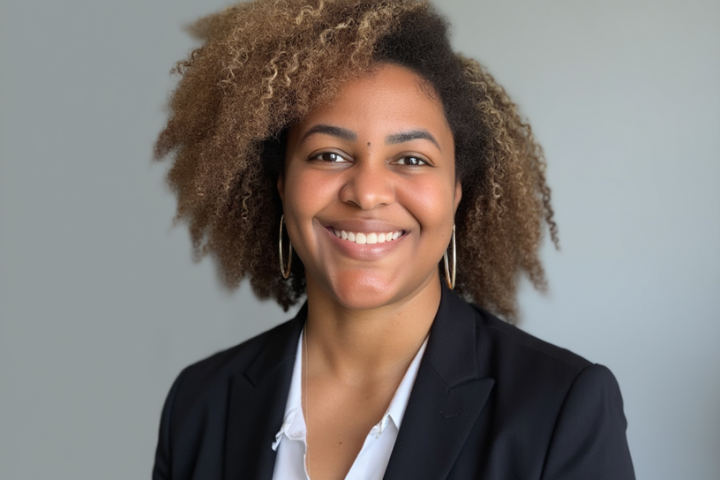
Miss Natalie Nunes, Consultant Obstetrician and Gynaecologist, says one of the biggest challenges is that women don’t always realise when something might be wrong.
“The problem with heavy periods is that only a woman can know what her periods are like. If she’s not discussing it with anyone, she may not realise that what she’s experiencing isn’t normal.”
“If you’re changing your pad every couple of hours, using multiple forms of protection or planning your life around your period, that could be too much,” says Miss Nunes. “But many women adapt to it over time and don’t realise how much it’s impacting them, which only delays the diagnosis and treatment.”
Miss Natalie Nunes shares her top 7 tell-tale signs you shouldn’t ignore…
· Heavy periods that disrupt daily life
If you’re experiencing significant blood loss and needing to change protection frequently or bleeding through clothes – this could lead to anaemia, where iron levels drop and cause symptoms like dizziness, headaches and breathlessness.
· Bloating
Persistent bloating is often dismissed as digestive issues, but it can be caused by fibroids pressing within the abdomen.
· Frequent urination
Feeling like you constantly need the toilet may not just be hydration-related – fibroids may be putting pressure on the bladder.
· Lower back pain or pelvic pressure
Ongoing discomfort or a feeling of heaviness in the lower abdomen or back can be a sign offibroid growth.
· Pain during sex
Fibroids can sometimes cause discomfort or pain during intercourse, depending on their size and location.
· Fatigue and low energy
Ongoing tiredness is often linked to iron deficiency caused by heavy bleeding.
· Fertility struggles
Sometimes, fibroids can impact the ability to conceive, depending on their size and position.
Fibroid treatments
Miss Nunes says the key is recognising when symptoms are affecting your everyday life.
“If your period is changing how you live – whether that’s what you wear, where you go, or how you feel physically – it’s worth getting checked.”
The good news is that diagnosing fibroids is relatively straightforward, often involving a simple scan, and treatment options are also advancing.
While hysterectomy has traditionally been seen as the “default” treatment, there are now a range of less invasive options available. One example is Sonata, a minimally invasive, incision-free treatment designed to shrink fibroids without major surgery, often in an outpatient setting, allowing for a quicker recovery and, in some cases, preserving fertility.
“The key is treating fibroids early, when they are small, so they don’t grow to a size that requires more invasive procedures down the line.”
For many women, the biggest barrier is recognising that something isn’t right in the first place. If something feels off, it’s worth asking the question – is this actually normal?
For more information about the Sonata fibroid treatment, visit: https://sonatatreatment.uk/