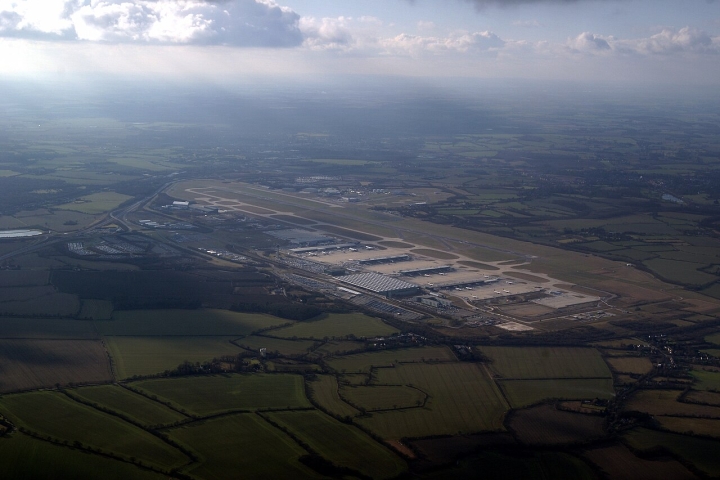
Plans to raise the annual passenger cap at London Stansted Airport have been approved by Uttlesford District Council.
The decision allows London Stansted to increase its permitted passenger limit to 51 million a year, creating the scope to deliver consumer, economic and community benefits over the next 20 years. The approval relates to the use of the airport’s existing single runway.
Uttlesford District Council’s decision enables the airport to grow passenger numbers gradually towards the new limit without increasing the number of flights already permitted and while remaining within the current airport boundary. The London Stansted passenger limit increase approval does not involve runway expansion.
Final consent is subject to the completion of an extensive Section 106 community support package. Once signed off, this will allow the airport to expand from its current passenger level of 30 million per year to 51 million passengers per annum in the future.
According to the airport, reaching the new passenger limit could support 4,500 additional jobs, linked to existing training and education facilities. It would also enable improvements to M11 Junction 8 aimed at reducing congestion, along with funding for local bus services, road improvements and measures to address fly-parking.
The plans also include a target for half of all passenger journeys to be made by public transport, helping to reduce pressure on local roads. These measures form part of the wider London Stansted passenger limit increase approval framework.
Gareth Powell, London Stansted’s Managing Director, said:
“We are pleased Uttlesford District Council has approved our application, which lays the foundations for the long-term sustainable growth of London Stansted and means we can maximise the full potential of our existing runway.
“The opportunity is considerable as the full expansion of Stansted would deliver widespread social and economic benefits to the regions we serve, without any increase in the number of flights the airport is already permitted to operate and within the existing airport footprint.
“That will enable us to create thousands of new jobs, provide training opportunities to the next generation of aviation professionals and attract new routes that give people more opportunities to visit the places they want to.
“As we grow our airport over the next 20 years, we will do it sustainably – decarbonising our operations and ensuring half of all passengers accessing the airport do so via public transport.
“Our plans were strongly backed by thousands of local people, businesses and airport partners, so I would like to thank them for their valued support and look forward to working together to turn our ambition for London Stansted into reality.”
London Stansted served nearly 30 million passengers in 2024, making it the third busiest airport in London and the fourth busiest in the UK. It ranked among the 20 busiest airports in Europe in 2023.
The airport currently serves around 200 destinations across 40 countries and is a major hub for short-haul European travel. It also operates double-daily flights to Dubai with Emirates, providing access to a global network of more than 150 destinations. From March 2026, Turkish Airlines is scheduled to operate up to 15 weekly flights to Istanbul.
In addition to passenger operations, Stansted handles more than 220,000 tonnes of cargo each year, with routes including the Far East and the United States. The airport employs more than 12,000 people across 200 companies, making it the largest single-site employer in the East of England.
Stansted has recorded the highest public transport use by passengers of any major UK airport and is among the strongest performers in Europe. It achieved Level 3+ carbon neutral status in 2018 and has committed to reaching net zero emissions by 2038, alongside wider industry targets for 2050.
All electricity used by the airport has been sourced from renewable energy since April 2013. Construction of a 14.3MW on-site solar farm began in 2025, and the airport currently diverts all waste from landfill, recycling more than 75 per cent.