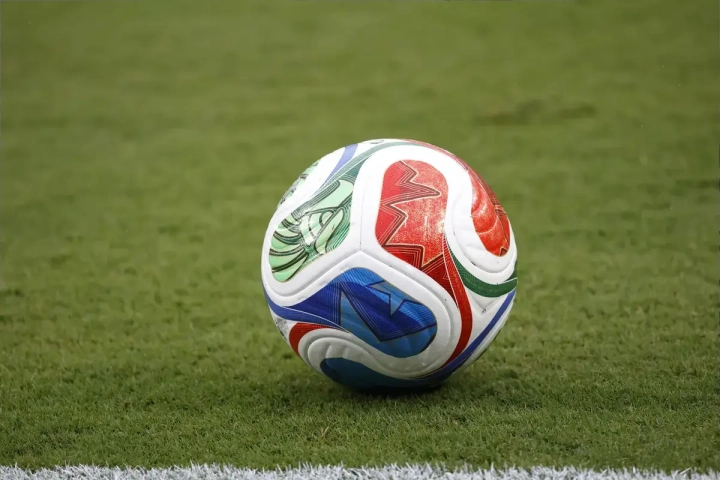
Uruguay and Spain arrive in Guadalajara with Group H still alive and the tone of the night set by far more than reputation. Their FIFA World Cup 2026 meeting takes place at Estadio Akron in Zapopan, Guadalajara, on Friday 26 June, with kick-off scheduled for 7pm local time, which is 1am on Saturday 27 June in the UK. Spain begin the final round of group fixtures in first place on four points, while Uruguay are second on two after successive draws. Cape Verde also have two points and Saudi Arabia have one, leaving every side with something to protect, chase or fear as the group reaches its decisive stage.
For Spain, the equation is clear enough: a draw would secure progression to the round of 32, while victory would confirm top spot and preserve the sense that Luis de la Fuente’s European champions are beginning to find their rhythm after an awkward start. For Uruguay, the match carries the sharper edge of jeopardy. Marcelo Bielsa has framed it as a final, not because defeat would automatically end their tournament, but because reliance on the expanded format’s third-place route is a dangerous way for a side of their standing to approach the knockout stage. The top two in each of the 12 groups advance, along with the eight best third-placed teams, and Uruguay know that ambition demands a clearer statement.
The mood around Bielsa’s side is complicated. Two draws from two matches have kept them unbeaten, but they have not yet found the authority expected of a team built around intensity, aggressive pressing and high technical quality. Their opening 1-1 draw with Saudi Arabia in Miami required a late rescue act from Maximiliano Araújo after Abdulelah Al-Amri had put the Saudis ahead. Six days later, against Cape Verde, Uruguay again had to respond to difficulty. Kevin Pina’s long-range free-kick gave the debutants a historic lead before Araújo equalised and then helped create Agustín Canobbio’s goal, only for Hélio Varela to punish a defensive error in the second half and secure a 2-2 draw.
Those two performances have made Araújo one of Uruguay’s most important tournament figures, not simply because of his goals, but because of his timing. He has provided thrust from wide areas, supported attacks with conviction and given Bielsa’s team a level of end product they have not always found collectively. Canobbio’s goal against Cape Verde also offered encouragement, while Federico Valverde remains central to almost everything Uruguay want to do. His carrying power, long passing and ability to accelerate the tempo from midfield make him a key link between recovery and attack. Manuel Ugarte and Rodrigo Bentancur, both used in the Cape Verde match, bring the combative and positional qualities needed against Spain’s circulation.
There are, however, confirmed concerns for Uruguay before kick-off. Ronald Araújo has been ruled out of this final group game with a calf problem, removing a defender whose pace and duel strength would have been valuable against Spain’s wide threats. Giorgian de Arrascaeta is also unavailable with a calf issue, limiting Bielsa’s options between the lines. No confirmed suspension issue has been reported for Uruguay, but the absences still matter because this fixture is likely to demand both defensive concentration and creativity under pressure.
Tactically, Uruguay’s dilemma is whether to press Spain high with Bielsa’s usual conviction or manage the game in more measured phases. Sitting deep for long periods would invite Spain to settle into their rhythm, yet pressing without precision could leave spaces for runners behind the first line. The South Americans are at their best when they turn midfield duels into forward momentum, using quick passes into wide areas and runners attacking the box. Against Spain, the detail will be in how they protect transitions. Valverde’s discipline, Ugarte’s screening and the defensive distances behind the full-backs could decide whether Uruguay can make the contest frantic in a way that suits them.
Spain’s campaign has followed a different curve. Their opening match against Cape Verde brought one of the surprises of the tournament, a goalless draw in Atlanta in which the European champions dominated territory and possession but could not break through a disciplined, inspired opponent. The result was a reminder that control alone is not always enough at World Cup level. De la Fuente’s side responded emphatically against Saudi Arabia, winning 4-0 in a display that restored confidence and lifted them to the top of the group. Lamine Yamal scored early, Mikel Oyarzabal struck twice before half-time, and an own goal from Hassan Al-Tambakti completed a comfortable victory.
That response has shaped the mood around Spain. De la Fuente has still spoken about improvement, which is understandable for a team whose standards are measured against the precision of their best football, but the Saudi Arabia match showed the benefits of sharper movement in the final third. Yamal’s influence is already a major storyline. Still a teenager, he has brought width, unpredictability and a capacity to change the tempo of attacks with one touch or one acceleration. Bielsa has identified him as a significant threat, and Uruguay’s ability to prevent Spain from isolating him against defenders may be one of the game’s defining tactical battles.
Oyarzabal’s double was equally important. After frustration in the opening draw, his finishing against Saudi Arabia gave Spain a central point of reference and rewarded the team’s patience around the penalty area. Dani Olmo’s creative contribution in that game added another layer, while Marc Cucurella’s energy on the left gives Spain a way to stretch opponents without losing their passing structure. With players comfortable receiving under pressure, Spain can draw teams forward and then exploit the spaces that appear. Their challenge against Uruguay will be to move the ball quickly enough to stop Bielsa’s side turning possession into a sequence of physical contests.
No confirmed Spain suspension concern has been reported before the fixture, and there are no confirmed new injury absences that require reshaping the side. Nico Williams has been managed carefully during the tournament and has appeared from the bench, giving De la Fuente another attacking option if the game opens up. The wider selection picture is also notable because Spain arrived at the World Cup with a squad that underlined the coach’s willingness to make strong decisions. Rather than relying on reputation, he has built around balance, form and familiarity with his positional demands.
The historical backdrop gives the meeting extra depth. Uruguay and Spain are both former world champions, but they represent different eras of footballing identity. Uruguay’s titles in 1930 and 1950 remain part of the sport’s foundational story, with the Maracanã triumph still one of the World Cup’s defining shocks. Spain’s 2010 success came from an era of passing supremacy that changed how international football was discussed. Their past meetings at the World Cup have been tight: a 2-2 draw in the 1950 final round and a 0-0 draw in the 1990 group stage. Spain’s more recent 2-1 win at the 2013 Confederations Cup continued their unbeaten head-to-head record against La Celeste.
Yet this game is not being played in a museum of past achievements. It belongs to the new World Cup format, where a four-point total can be enough to breathe easily and two points can leave a team watching other matches with anxiety. The simultaneous Cape Verde versus Saudi Arabia fixture in Houston adds another layer. A Uruguay win would remove doubt and could even take them top depending on the wider margins and tie-breakers. A draw might be enough, but it would not fully control the story. Defeat would place their fate in the hands of the third-place table, an uncomfortable position for a team that began the tournament with ambitions far beyond survival.
For Spain, finishing first would offer more than administrative comfort. It would suggest that the Saudi Arabia performance was not merely a correction but the beginning of momentum. Tournament football often rewards teams that solve problems quickly, and Spain have already faced one against Cape Verde’s low block. Uruguay will ask a different question, one based on pressure, duel intensity and the emotional charge that follows Bielsa teams into major fixtures. De la Fuente’s side must show they can remain composed when the game becomes less tidy than they would like.
The key battles may be less about individual match-ups than about control of rhythm. If Spain can establish long spells of possession, shift Uruguay from side to side and release Yamal or Cucurella into space, they will force Bielsa’s players to defend with patience. If Uruguay can disrupt the first pass, win second balls and turn Valverde’s surges into territory, Spain may find themselves in a game of broken patterns. Set-pieces could also carry weight, especially given how fine the group margins remain and how costly one defensive lapse has already been for Uruguay.
By the time the teams walk out in Zapopan, reputations will matter less than clarity under pressure. Spain have the points, the position and the chance to confirm themselves as Group H’s leading force. Uruguay have urgency, quality and a coach who will not accept passivity as a route through danger. The setting, the stakes and the contrasting football cultures give the fixture the feel of a knockout match before the knockout stage has officially begun. For one side, it may become the night momentum was secured. For the other, it could decide whether a World Cup campaign built on promise continues with conviction or drifts into uncertainty.