The final round of matches in Group L at the 2026 FIFA World Cup brings together two nations with realistic ambitions of extending their stay in the tournament as Croatia and Ghana meet in Philadelphia. With qualification for the knockout phase still to be decided, Saturday’s encounter carries enormous significance for both sides and promises to be one of the most compelling contests of the group stage.
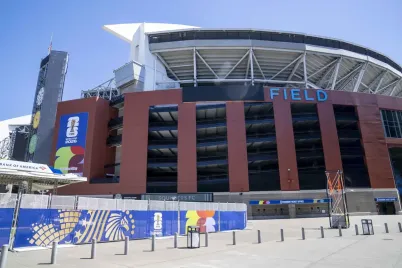
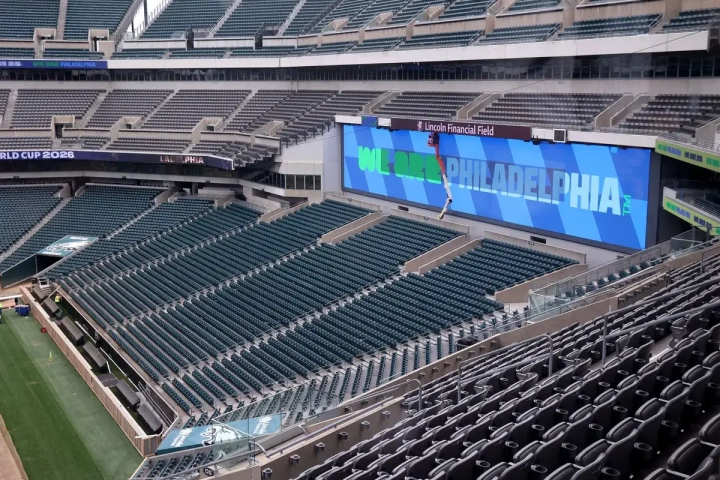
Croatia and Ghana will face each other on 27 June 2026 at Lincoln Financial Field in Philadelphia, with kick-off scheduled for 5pm local time, 10pm BST. The match is the concluding fixture for both teams in Group L, which also features England and Panama, and arrives with the standings finely balanced heading into the decisive round of matches.
The expanded World Cup format means the top two teams from each group automatically advance to the Round of 32, while several third-placed teams can also progress. As a result, every point remains valuable and the outcome in Philadelphia could have major implications not only for the final Group L standings but also for the wider knockout picture.
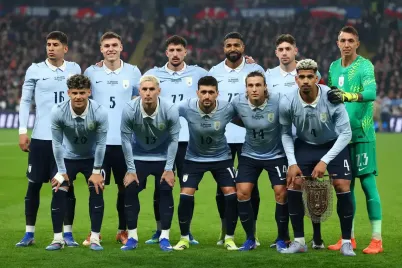
Croatia enter the fixture knowing there is work still to be done. Zlatko Dalić’s side arrived at the tournament carrying the weight of expectation that naturally follows a nation that reached the 2018 World Cup final and secured third place in Qatar four years later. Although the current squad still contains a number of experienced international performers, the campaign has so far highlighted both their quality and their vulnerabilities.
The Vatreni opened their tournament with a dramatic 4-2 defeat against England. While they demonstrated attacking threat during periods of that contest, defensive mistakes ultimately proved costly. That result left them under immediate pressure ahead of their second group match against Panama, a game they could not afford to lose.
Croatia responded in professional fashion, securing a narrow but valuable 1-0 victory over Panama to keep their qualification hopes alive. The win moved them onto three points and ensured that their fate would remain in their own hands heading into the final group fixture.
Much of the attention continues to focus on the enduring influence of captain Luka Modrić. Now 40 years old, the midfielder remains the emotional and technical heartbeat of the national side. His experience, leadership and ability to dictate the tempo of matches continue to make him one of the most influential figures in international football.
Alongside him, Ivan Perišić remains a key presence. The veteran winger has once again demonstrated his importance through his work rate, attacking intelligence and ability to deliver decisive moments in major tournaments. Even as Croatia transition towards a younger generation, players such as Modrić and Perišić continue to provide the foundation upon which the team is built.
Dalić has publicly acknowledged that Croatia have not consistently performed at the level expected of them during the tournament. Concerns over possession retention and defensive concentration emerged during the opening matches, and the coach has called for improvements ahead of the decisive encounter with Ghana. The challenge for Croatia will be finding the balance between maintaining control of possession and creating enough attacking threat against an opponent that has looked highly organised defensively.
No confirmed suspensions have been reported for Croatia ahead of the match. Likewise, there are no widely confirmed injury absences among the established members of the squad entering the final group game. With qualification at stake, Dalić is expected to have the majority of his key options available.
From a tactical perspective, Croatia are likely to rely heavily on their technical quality in midfield. The ability to circulate possession patiently and control territory has long been a hallmark of the national team. However, the pace of modern tournament football means they cannot afford the lapses that were exposed against England. Defensive organisation, particularly during transitions, will be crucial.
Standing in their way is a Ghana side that has quietly become one of the stories of Group L. The Black Stars arrived in North America seeking to re-establish themselves on the global stage and have already shown enough resilience to suggest they are capable of making a meaningful impact in the competition.
Under the guidance of Carlos Queiroz, Ghana have displayed defensive discipline and tactical structure throughout the group stage. Their campaign began with a hard-fought 1-0 victory over Panama, a result that immediately placed them in a strong position within the standings. They then followed that performance with an impressive goalless draw against England, frustrating one of the tournament favourites and collecting a valuable point.
Those results leave Ghana on four points heading into the final round of matches, placing them in a favourable position. Depending on events elsewhere in the group, a positive result against Croatia could be enough to secure progression to the knockout rounds and potentially even challenge for top spot.
One of the standout stories within the Ghana squad has been goalkeeper Benjamin Asare. His rise to prominence has captured attention throughout the tournament. Having only recently established himself within the national team setup, Asare has delivered a series of composed performances and played a major role in Ghana’s defensive success. His clean sheets have provided a platform from which the team has been able to collect important points.
Further forward, Antoine Semenyo remains a significant attacking outlet. His physical presence, movement and ability to press defenders have made him a central figure within Ghana’s attacking approach. The Bournemouth forward has spoken openly about the intensity and competitiveness of tournament football, reflecting the confidence that currently exists within the squad.
Queiroz brings vast experience to the role. The Portuguese coach has managed at multiple World Cups and understands better than most the demands of navigating major international tournaments. His influence has been visible in Ghana’s structure and discipline, particularly when defending without possession.
The Black Stars have looked compact and difficult to break down throughout the group stage. Their defensive organisation against England drew praise and demonstrated a willingness to remain patient even when facing sustained pressure. That characteristic may once again prove important against a Croatian side likely to enjoy significant spells of possession.
As with Croatia, there are no confirmed suspensions affecting Ghana ahead of the fixture. Injury concerns remain limited among the core group of players expected to feature, allowing Queiroz to approach the contest with a largely settled squad.
One notable storyline surrounding Ghana has involved off-field discussions concerning travel and eligibility issues affecting Thomas Partey. However, given the circumstances surrounding those matters and the uncertainty regarding availability, the focus remains firmly on the players actively involved with the squad in Philadelphia.
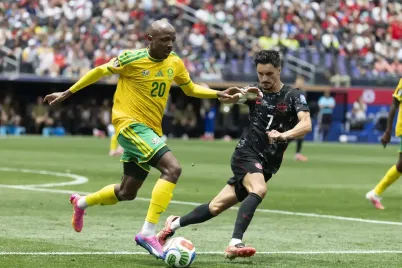
The tactical battle promises to be fascinating. Croatia traditionally favour control through midfield combinations and patient build-up play, while Ghana have demonstrated an ability to remain organised defensively before looking to exploit opportunities on the counter-attack. Neither team has been involved in particularly high-scoring matches during the group stage, suggesting that discipline and concentration could prove decisive.
Set pieces may also play an important role. Tournament football often turns on fine margins, and both sides possess players capable of influencing matches from dead-ball situations. Maintaining focus during those moments will be essential.
Historical context adds another layer of intrigue. According to available records, this is set to be the first senior international meeting between Croatia and Ghana. While both nations have faced numerous opponents from their respective confederations over the years, they have never previously met in a competitive international fixture. That unfamiliarity creates an additional element of unpredictability heading into the contest.
Croatia’s history at the World Cup has been remarkable for a nation of its size. Since making their tournament debut in 1998, they have reached the semi-finals on multiple occasions and established themselves as one of international football’s most consistent performers. Their ability to repeatedly compete deep into major tournaments has earned widespread respect.
Ghana’s World Cup story carries its own significance. The Black Stars became the third African nation to reach a World Cup quarter-final when they achieved the feat in 2010, coming agonisingly close to becoming the first African side to advance to the semi-finals. That campaign remains a defining moment in the country’s football history and continues to inspire new generations of players.
Beyond qualification mathematics, there is also a broader narrative surrounding both teams. Croatia are attempting to demonstrate that their golden generation can still compete at the highest level despite advancing age in key positions. Ghana, meanwhile, are striving to confirm their return as a force capable of challenging the world’s leading nations.
Attention will inevitably focus on the midfield contest. Croatia’s technical expertise has long been the cornerstone of their success, while Ghana’s athleticism and defensive organisation provide a different but equally effective approach. Whichever side gains greater control in that area of the pitch could place itself in a strong position to influence the outcome.
The atmosphere inside Lincoln Financial Field is expected to reflect the significance of the occasion. With supporters from both nations travelling in large numbers and qualification implications hanging over the fixture, there should be no shortage of intensity from the opening whistle.
As the group stage reaches its conclusion, both teams understand exactly what is at stake. Croatia know that another appearance in the knockout rounds would reinforce their status among international football’s elite competitors. Ghana recognise that progression would represent a major achievement and another important chapter in the nation’s proud World Cup history.
Margins have been exceptionally fine throughout Group L and there is little to separate the teams heading into the decisive encounter. Croatia possess experience, technical quality and a proven tournament pedigree. Ghana arrive with confidence, defensive resilience and growing belief after a strong start to the competition.
With qualification ambitions hanging in the balance and a place in the Round of 32 potentially on the line, all the ingredients are present for a compelling World Cup contest in Philadelphia. By the time the final whistle sounds, one of the most intriguing groups in the tournament should finally have its answers.