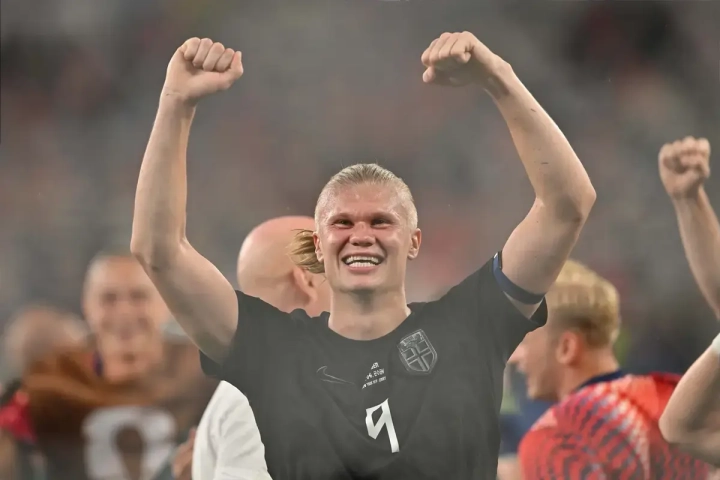
Norway took a huge step forward in their FIFA World Cup campaign with a thrilling 3-2 victory over Senegal in a captivating Group I encounter that delivered drama, quality, momentum swings and a tense finish. Played in front of a vibrant crowd at MetLife Stadium in New Jersey, the contest showcased the attacking strength of both sides, but it was Norway who ultimately emerged victorious thanks to a clinical display led by star striker Erling Haaland. The Manchester City forward scored twice and once again demonstrated why he remains one of the most feared finishers in world football, helping his nation secure a place in the knockout rounds while leaving Senegal facing a nervous battle to keep their tournament hopes alive.
The result represented Norway’s second consecutive victory of the tournament and continued an impressive run of form for a team that arrived at the World Cup carrying growing expectations. After defeating Iraq comfortably in their opening fixture, Ståle Solbakken’s side entered the match knowing another victory would place them in a commanding position within the group. Senegal, meanwhile, were under pressure after suffering defeat against France in their first game and desperately needed a positive result to revive their campaign. That sense of urgency was visible from the opening whistle as both teams played with intensity and ambition.
Norway’s evening did not begin perfectly. An early injury forced a change in the defensive line when Julian Ryerson had to leave the pitch after just over ten minutes. The disruption might have unsettled a less experienced side, but Norway adapted quickly and gradually began to impose themselves on the contest. Martin Ødegaard, operating as the creative heartbeat of the team, started finding pockets of space between Senegal’s midfield and defensive units. His passing range and vision allowed Norway to establish greater control of possession while creating opportunities in dangerous areas.
Senegal responded with their usual physicality and pace. Sadio Mané looked determined to inspire his team and frequently drove forward whenever possession was regained. Ismaila Sarr’s movement on the flanks also caused problems, forcing Norway’s defenders to remain alert. Yet despite Senegal’s attacking threat, Norway looked increasingly dangerous whenever they moved forward. Haaland’s presence occupied multiple defenders, creating space for teammates to advance and stretch the opposition.
The breakthrough eventually arrived late in the first half. After a spell of sustained pressure, Norway capitalized on a defensive lapse from Senegal. Marcus Holmgren Pedersen reacted quickest to the opportunity and guided the ball into the net, sending Norwegian supporters into celebration. The goal was a reward for Norway’s persistence and gave them a crucial advantage heading into the interval. Senegal had shown flashes of quality but found themselves trailing 1-0 and facing an uphill challenge against a team full of confidence.
At halftime, Solbakken’s players knew they were forty-five minutes away from securing qualification for the knockout stages. However, the Norwegian manager also understood that Senegal possessed enough attacking talent to turn the match around. The second half therefore began with a sense of anticipation and urgency.
Only a few minutes after the restart, Norway struck another decisive blow. Ødegaard once again played a key role, supplying the creativity that has become his trademark. Haaland timed his movement perfectly before producing a composed finish to double Norway’s advantage. The goal highlighted the understanding developing between Norway’s captain and star striker. Whenever Ødegaard found space, Haaland looked capable of punishing opponents with intelligent runs and ruthless finishing.
At 2-0, Norway appeared to be cruising toward victory. Their supporters sensed qualification was within reach and the atmosphere inside the stadium grew louder. Yet Senegal refused to surrender. The African side responded with the resilience that has characterized many of their greatest performances on the international stage. Instead of retreating into caution, they pushed forward in search of a route back into the game.
Their determination was rewarded when Ismaila Sarr pulled a goal back. The winger found space inside the Norwegian defense and finished confidently to reduce the deficit. Suddenly the momentum shifted. Senegal’s players began to believe that a comeback was possible, while Norway faced the challenge of managing renewed pressure.
The contest then entered its most entertaining phase. Both teams continued attacking rather than settling for a cautious approach. Norway recognized that a third goal could restore control, while Senegal knew another breakthrough would dramatically alter the dynamics of the match. The open nature of the game created chances at both ends and delighted neutral spectators.
The crucial moment arrived when Haaland produced another piece of world-class finishing. Demonstrating his exceptional instincts inside the penalty area, the striker scored his second goal of the evening and Norway’s third. The finish underlined his remarkable consistency and reinforced his growing reputation as one of the tournament’s standout performers. With four goals in his opening two World Cup matches, Haaland moved firmly into the conversation for the Golden Boot and once again proved capable of delivering on football’s biggest stage.
Despite trailing 3-1, Senegal still refused to give in. Their commitment and fighting spirit ensured the final stages remained highly competitive. Sarr grabbed his second goal of the match, giving Senegal renewed hope and setting up a nervy conclusion. Norway suddenly found themselves defending a one-goal lead as the clock ticked down. Every clearance, tackle and save became increasingly significant.
The closing minutes were packed with tension. Senegal pushed bodies forward and searched desperately for an equalizer. Norway, meanwhile, attempted to balance defensive discipline with occasional counterattacks. The extended stoppage time only added to the drama, with both sets of supporters experiencing an emotional rollercoaster. Senegal came close to creating one final opportunity, but Norway’s defense held firm and the final whistle eventually confirmed a memorable 3-2 victory.
For Norway, the result carried enormous significance beyond the three points. The victory secured progression to the knockout phase and represented another milestone in the nation’s football resurgence. Having spent many years absent from major tournaments, Norway now looks capable of competing with some of the world’s strongest teams. The emergence of a talented generation led by Haaland and Ødegaard has transformed expectations, and their performances at this tournament suggest they could become genuine contenders.
Haaland naturally attracted most of the headlines. His two goals not only secured the win but also highlighted the variety of his attacking qualities. One finish demonstrated composure and positioning, while the other showcased power and instinct. Throughout the match he remained a constant threat, forcing defenders into mistakes and creating space for teammates. The striker’s impact extended far beyond his goals, as his movement continually stretched Senegal’s defensive structure.
Ødegaard also deserves considerable credit for another influential performance. The Arsenal midfielder controlled the tempo, linked defense and attack, and provided the creativity required to unlock Senegal’s defense. His partnership with Haaland continues to evolve into one of international football’s most exciting combinations. Whenever the two connect effectively, Norway becomes a dangerous proposition for any opponent.
Pedersen’s contribution should not be overlooked either. His opening goal changed the complexion of the match and gave Norway the confidence needed to build momentum. Defensively, several Norwegian players produced important interventions during the tense closing stages, demonstrating the collective commitment that has become a hallmark of Solbakken’s team.
From Senegal’s perspective, the defeat was painful but not without positives. The Lions of Teranga displayed character and determination throughout the contest. Many teams would have struggled after falling two goals behind, yet Senegal continued to attack and nearly rescued a result. Ismaila Sarr’s brace showcased his ability to perform on major occasions, while Mané worked tirelessly to inspire those around him. Although the defensive mistakes proved costly, Senegal’s attacking quality remained evident.
After the match, Norway manager Ståle Solbakken expressed immense pride in his players. He praised their resilience, organization and belief, emphasizing that qualification for the knockout rounds represented the reward for years of hard work. Solbakken highlighted the maturity shown by his squad, particularly when Senegal mounted their late comeback attempt. He acknowledged that the final minutes were stressful but felt his team deserved the victory because of the quality they displayed across large portions of the game. The Norwegian coach also reserved special praise for Haaland, noting that world-class strikers can change matches with only a handful of opportunities and that his star forward once again delivered when it mattered most.
Solbakken also reflected on the broader significance of the achievement. Norway’s return to the World Cup after a lengthy absence has generated excitement among supporters, and reaching the knockout phase reinforces the progress made under his leadership. He stressed that qualification was only the beginning and encouraged his players to remain ambitious as they prepare for tougher challenges ahead.
Senegal coach Pape Thiaw took a more disappointed but constructive view. He praised his team’s fighting spirit and refusal to quit despite falling behind, pointing to the positive attitude shown during the comeback attempt. However, he admitted that defensive errors had ultimately cost Senegal the result. Thiaw felt his side created enough opportunities to compete but acknowledged that facing a striker of Haaland’s quality leaves little margin for mistakes. He emphasized that Senegal still controls part of its destiny and must now focus entirely on winning its remaining group match. The coach insisted that belief remains strong within the squad and that the players are determined to respond positively.
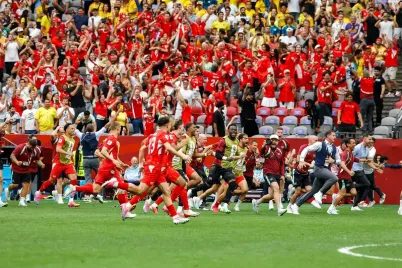
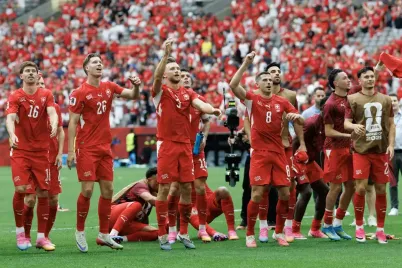
The atmosphere surrounding the match contributed significantly to the spectacle. Thousands of Norwegian supporters created a sea of red throughout the stadium, generating an energy that helped drive their team forward. The celebrations after the final whistle reflected the importance of the victory. Players embraced, supporters sang loudly and emotions ran high as Norway secured one of its most significant World Cup wins in decades. Reports from the stadium suggested Norwegian fans heavily outnumbered their opponents, creating an environment that felt almost like a home fixture.
Adding to the occasion was the backdrop of challenging weather conditions around the New York and New Jersey area. Heavy storms threatened disruption before and after the match, yet the game proceeded as scheduled and delivered a memorable spectacle for everyone in attendance. The contrast between the dramatic action on the field and the stormy conditions outside only enhanced the sense of occasion.
Looking ahead, Norway now faces an eagerly anticipated showdown with France to determine the winner of Group I. Confidence within the squad will be high following consecutive victories, but the French challenge represents a significant step up in quality. Nevertheless, Norway enters that match knowing qualification is already secured, allowing them to approach the contest with freedom and ambition.
For Senegal, the path forward is more complicated. Their final group fixture becomes a must-win encounter if they hope to extend their World Cup journey. Despite the disappointment of defeat, there were enough encouraging signs to suggest they remain capable of progressing if results elsewhere prove favorable. The team’s refusal to surrender against Norway demonstrated a mentality that could yet prove crucial.
In the end, this was a match that encapsulated much of what makes World Cup football so compelling. There were outstanding individual performances, dramatic momentum shifts, moments of brilliance, tactical battles and late tension. Norway emerged victorious thanks largely to the finishing prowess of Erling Haaland and the creativity of Martin Ødegaard, but Senegal’s spirited response ensured the contest remained in doubt until the very end. As the tournament progresses, Norway will carry momentum and belief into the knockout rounds, while Senegal must regroup quickly and fight for survival. For those fortunate enough to witness the encounter, it was a reminder that football’s biggest stage rarely disappoints when two ambitious teams meet with everything on the line.