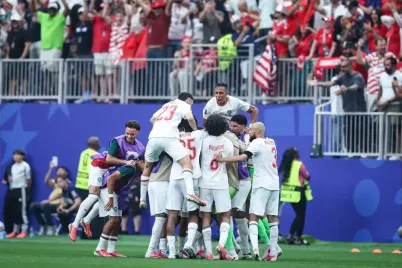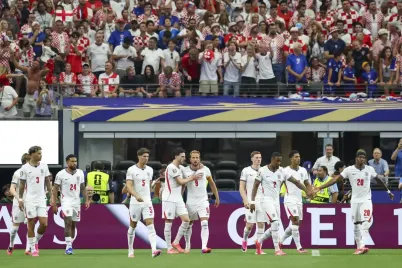
DR Congo created one of the most emotional stories of the World Cup so far as they came from behind to beat Uzbekistan 3-1 in Atlanta, securing their first ever victory at the tournament and booking a place in the knockout stage for the first time in their history. On a night that began with anxiety and threatened to end in frustration, Sébastien Desabre’s side found courage, control and clinical finishing when it mattered most, overturning Eldor Shomurodov’s early goal through a brilliant second-half response led by Yoane Wissa and Fiston Mayele.
For Uzbekistan, the evening brought a painful end to a debut World Cup campaign that had promised so much simply by reaching the finals but ultimately delivered three defeats and a harsh lesson in tournament football. Fabio Cannavaro’s side began brightly, took the lead inside 10 minutes and briefly looked capable of dragging DR Congo into a nervous, messy contest. But once the Leopards found rhythm after half-time, Uzbekistan struggled to cope with their power, movement and belief.
The stakes were clear before kick-off. DR Congo knew victory would give them a chance of progressing as one of the best third-placed sides from Group K, while Uzbekistan needed a remarkable turnaround to keep their faint hopes alive. The pressure appeared to weigh more heavily on the Congolese players in the opening stages. Their passing was cautious, their defensive line hesitant, and Uzbekistan sensed immediately that there was space to attack.
That early ambition was rewarded in the 10th minute. Shomurodov, Uzbekistan’s captain and most recognisable attacking figure, showed composure and intelligence to put his side ahead. DR Congo were caught too high and too square, allowing Uzbekistan to move quickly through the middle before Shomurodov lifted his finish over Lionel Mpasi. The execution was calm, but the effect was explosive. Uzbekistan suddenly had belief, while DR Congo were forced to confront the possibility that their historic opportunity could slip away before the match had properly settled.
For a while, the goal changed the entire mood of the contest. Uzbekistan defended with numbers behind the ball and tried to spring forward whenever possession turned over. DR Congo had plenty of the ball but not enough incision. Wissa drifted into pockets, Cédric Bakambu looked for service between defenders, and the wide players tried to stretch the pitch, yet too many attacks ended with blocked crosses or rushed decisions around the box.
There was also controversy when DR Congo thought they had found a way back before the interval. Nathanaël Mbuku produced a fine finish after a flowing move, only for the goal to be ruled out following a VAR review for an earlier infringement. The decision angered the Congolese players and supporters, not just because of the quality of the strike, but because it felt like another setback on a night already carrying enormous emotional weight. Instead of being level, they went into half-time still behind and with frustration beginning to build.
Desabre’s message at the break appeared to be simple: stay calm, keep attacking, and trust that the chances would come. DR Congo emerged with far greater aggression after the restart. Their midfield pushed higher, the full-backs advanced with more confidence, and Uzbekistan were gradually pinned deeper inside their own half. The match became less about Uzbek counters and more about whether they could survive the increasing pressure.
Wissa became the central figure in that shift. His movement unsettled Uzbekistan’s defensive shape, and his willingness to run directly at defenders gave DR Congo the spark they needed. In the 68th minute, that pressure finally broke Uzbekistan. Wissa won a penalty after forcing the issue inside the area, then took responsibility himself. With the weight of a nation on his shoulders, he struck his spot-kick with conviction to level the score at 1-1.
The equaliser transformed the match. DR Congo no longer looked burdened by the occasion; they looked energised by it. The supporters inside the stadium sensed the momentum had turned, and Uzbekistan’s earlier composure began to fade. Cannavaro’s side tried to slow the game down, but their defensive clearances became shorter, their midfield lost control, and the spaces around the box began to open.
Ten minutes after Wissa’s penalty, DR Congo completed the turnaround. Fiston Mayele, introduced to add fresh movement and finishing instinct, delivered the decisive touch. The substitute reacted sharply inside the area and finished past Abduvohid Nematov to make it 2-1, sending the Congolese section of the crowd into celebration. It was the kind of goal that reflected the direction of the game: DR Congo had been asking more questions, committing more bodies forward and playing with greater conviction.
Uzbekistan now had no choice but to chase, but that only created more room for DR Congo to exploit. The Leopards managed the final stages intelligently, mixing defensive discipline with the threat of a third goal on the break. Meschak Elia’s pace became increasingly dangerous against tired legs, while Wissa continued to make runs that stretched Uzbekistan’s back line.
The clinching moment arrived in stoppage time. With Uzbekistan pushing forward, DR Congo broke into space and punished them ruthlessly. Elia carried the ball into a dangerous area before finding Wissa, who finished the move with the authority of a player enjoying one of the biggest nights of his international career. His second goal made it 3-1 and removed any lingering doubt. DR Congo were not merely winning a match; they were stepping into a new chapter of their football history.
The final whistle brought scenes of release. Players dropped to the turf, embraced one another and celebrated with supporters who understood the scale of what had just happened. DR Congo’s previous World Cup appearance had come more than half a century ago, when the country competed as Zaire in 1974. That campaign ended without a win. This time, the story was different. This generation had not only delivered the nation’s first World Cup victory, but also taken it into the knockout stage.
Wissa’s performance will naturally dominate the headlines. His two goals were decisive, but his overall contribution went beyond the score sheet. He gave DR Congo a focal point, unsettled defenders, won the penalty that changed the match and then added the late finish that sealed it. His tournament had already included an important goal against Portugal, but this was the night he became the symbol of DR Congo’s progress.
Mayele also deserves huge credit. Coming into a match of such importance and producing the goal that turned a draw into victory required sharpness and confidence. His finish reflected the value of Desabre’s bench and the collective strength of a squad that has grown into the tournament. DR Congo’s best football came after they were tested, and that resilience will give them belief before facing England in the round of 32.
Desabre was proud of the way his players handled adversity. The DR Congo manager felt the opening goal had tested his side mentally, but he praised their refusal to panic and their ability to keep believing in the plan. He saw the comeback as proof of the group’s maturity, togetherness and growing confidence. For him, the most important element was not simply the three goals, but the character shown after falling behind and after seeing a potential equaliser ruled out.
Cannavaro’s reflections were very different. The Uzbekistan manager admitted the World Cup had been brutal for his players and spoke of the pain of leaving the tournament without a point. He felt his team had started well but failed to adapt once DR Congo changed the rhythm and increased the pressure after half-time. He also pointed to tactical mistakes, particularly the difficulty his players had in coping with DR Congo’s attacking structure and physical intensity as the game opened up.
For Uzbekistan, there will be disappointment, but also context. This was their first World Cup, and the experience was always going to be demanding. Losses to Colombia, Portugal and DR Congo showed the gap that still exists at elite international level, but the campaign also offered lessons that could shape the next stage of their development. Cannavaro stressed the importance of long-term planning, youth investment and building a stronger football structure if Uzbekistan are to return to future tournaments better equipped.
The harsh truth is that Uzbekistan had moments but not enough consistency. Against DR Congo, their early goal gave them the perfect platform, yet they were unable to build on it. Once pressure arrived, they retreated too far and allowed DR Congo to dictate the game. Shomurodov’s goal will remain a proud moment, but the inability to protect that lead summed up their tournament: flashes of promise, followed by costly lapses.
For DR Congo, the night was about far more than tactics. It was about identity, pride and the feeling of belonging on the world stage. Their players had spoken throughout the tournament about carrying the hopes of millions, and that emotional weight was visible in the celebrations. The win over Uzbekistan was not polished from start to finish, but it was powerful because of the way it unfolded. They suffered, adjusted, fought back and finished strongly.
The next challenge will be even greater. England await in Atlanta, bringing star power, tournament experience and the pressure that comes with being one of the competition’s major names. DR Congo will go into that match as underdogs, but they will not go in quietly. Their comeback against Uzbekistan showed they have pace, physical strength, attacking quality and, perhaps most importantly, belief.
For England, Wissa’s form will be an obvious concern. His movement across the front line, penalty-box instinct and confidence in decisive moments give DR Congo a genuine threat. Mayele, Elia and Mbuku provide further attacking options, while the midfield’s second-half dominance against Uzbekistan will encourage Desabre to believe his team can compete in phases, even against stronger opposition.
This result will be remembered as one of the great nights in Congolese football. The scoreline says DR Congo 3, Uzbekistan 1, but the meaning goes far deeper. It was the night the Leopards turned pressure into history, transformed fear into celebration and announced that their return to the World Cup was not simply about participation. It was about progress, pride and possibility.
Uzbekistan leave with regret, but also with the knowledge that their first appearance has given them a foundation. DR Congo move forward with momentum and emotion behind them. In a tournament already full of drama, their comeback in Atlanta stands out as a reminder of why the World Cup can still create moments that feel bigger than football itself.