New research has found the areas of England with the fastest firefighter response times, with West Midlands taking the top spot.
Leading insurance broker Alan Boswell Group analysed government data for the year ending March 2026 to find the average response time to primary fires in each fire and rescue authority. The average response time to dwelling fires was also recorded, giving a separate figure for fires in people’s homes.
Areas with the fastest firefighter response times
| Rank | Area | Average response time to primary fires | Average response time to dwelling fires |
| 1 | West Midlands | 06:46 | 06:29 |
| =2 | Greater London | 07:13 | 06:52 |
| =2 | Tyne and Wear | 07:13 | 06:38 |
| 3 | Merseyside | 07:25 | 06:52 |
| 4 | Cleveland | 07:34 | 07:05 |
| 5 | Greater Manchester | 07:35 | 06:57 |
| 6 | Berkshire | 08:31 | 07:34 |
| 7 | Lancashire | 08:35 | 07:31 |
| 8 | South Yorkshire | 08:38 | 07:38 |
| 9 | Hertfordshire | 08:50 | 07:57 |
| 10 | East Sussex | 08:59 | 08:10 |
West Midlands places at the top of the list, with an average response time of 6 minutes and 46 seconds for primary fires. Firefighters attended 3,221 primary fires in the area, including 1,537 dwelling fires. The average response time to fires in homes was quicker still, at 6 minutes and 29 seconds.
Greater London and Tyne and Wear share second place, both averaging 7 minutes and 13 seconds for primary fires when rounded to the nearest second. Firefighters in Greater London attended 8,631 primary fires, including 4,819 dwelling fires, which had an average response time of 6 minutes and 52 seconds. Tyne and Wear recorded 1,612 primary fires, while its average response to dwelling fires was quicker at 6 minutes and 38 seconds.
Merseyside ranks third, with an average primary fire response time of 7 minutes and 25 seconds. The area recorded 1,513 primary fires, including 767 dwelling fires. Firefighters reached those fires in homes in an average of 6 minutes and 52 seconds.
In fourth place is Cleveland, where the average response time to primary fires was 7 minutes and 34 seconds. Of the 785 primary fires attended, 285 were dwelling fires, which had an average response time of 7 minutes and 5 seconds.
Greater Manchester follows in fifth, averaging 7 minutes and 35 seconds for primary fires. Firefighters attended 3,504 primary fires in total. Its dwelling fire response time was under seven minutes, at 6 minutes and 57 seconds.
Berkshire takes sixth place, with an average response time of 8 minutes and 31 seconds for primary fires. The area recorded 782 primary incidents, including 377 dwelling fires. The average response to fires in homes was 7 minutes and 34 seconds.
In seventh is Lancashire, where firefighters reached primary fires in an average of 8 minutes and 35 seconds. There were 1,708 primary fires reported in the area, while its 780 dwelling fires had an average response time of 7 minutes and 31 seconds.
South Yorkshire ranks eighth, averaging 8 minutes and 38 seconds for primary fires. Firefighters attended 1,733 primary fires, including 591 dwelling fires. The average response time to dwelling fires was 7 minutes and 38 seconds.
Hertfordshire follows in ninth place, with an average response time of 8 minutes and 50 seconds for primary fires. Its dwelling fire response averaged 7 minutes and 57 seconds, just under the eight-minute mark.
Rounding out the top ten is East Sussex, where firefighters responded to primary fires in an average of 8 minutes and 59 seconds. They attended 937 primary fires, including 439 dwelling fires. The average response to fires in homes was 8 minutes and 10 seconds.
Areas with the slowest firefighter response times
| Rank | Area | Average response time to primary fires | Average response time to dwelling fires |
| 1 | Cornwall | 13:11 | 11:35 |
| 2 | Suffolk | 12:53 | 11:38 |
| 3 | North Yorkshire | 12:44 | 10:43 |
| 4 | Hereford and Worcester | 12:37 | 10:57 |
| 5 | Northumberland | 12:11 | 09:49 |
| 6 | Lincolnshire | 12:02 | 10:37 |
| 7 | Oxfordshire | 11:23 | 10:16 |
| 8 | Kent | 11:21 | 09:53 |
| =9 | Shropshire | 11:17 | 10:21 |
| =9 | Gloucestershire | 11:17 | 10:06 |
| 10 | Dorset and Wiltshire | 11:13 | 09:26 |
At the other end of the scale, Cornwall has the slowest average response time to primary fires, at 13 minutes and 11 seconds. That is 6 minutes and 25 seconds longer than in West Midlands. The average response to dwelling fires in Cornwall was 11 minutes and 35 seconds.
Suffolk ranks second, with an average primary fire response time of 12 minutes and 53 seconds. Its dwelling fire response was the slowest in the study at 11 minutes and 38 seconds. Firefighters attended 581 primary fires in the area, including 231 dwelling fires.
North Yorkshire places third, averaging 12 minutes and 44 seconds for primary fires. Firefighters attended 768 primary fires in total, while the average response to its 237 dwelling fires was 10 minutes and 43 seconds.
Hereford and Worcester follows, with an average response time of 12 minutes and 37 seconds for primary fires. Of the 1,026 primary fires attended, 344 were dwelling fires. The response time to fires in homes averaged 10 minutes and 57 seconds.
Next is Northumberland, where the average primary fire response time was 12 minutes and 11 seconds. Its dwelling fire response was considerably quicker, at 9 minutes and 49 seconds, based on 130 fires in homes.
Lincolnshire has the sixth slowest response time, averaging 12 minutes and 2 seconds for primary fires. Firefighters attended 902 primary fires in the area, including 320 dwelling fires. Its average response to dwelling fires was 10 minutes and 37 seconds.
Oxfordshire follows at 11 minutes and 23 seconds for primary fires. There were 684 primary fires attended, of which 252 were dwelling fires. The average response to fires in homes was 10 minutes and 16 seconds.
In eighth place is Kent, with an average primary fire response time of 11 minutes and 21 seconds. Firefighters attended 1,787 primary fires in the area, including 570 dwelling fires. Its dwelling fire response averaged 9 minutes and 53 seconds.
Shropshire and Gloucestershire share ninth place, both averaging 11 minutes and 17 seconds for primary fires. Firefighters in Shropshire attended 475 primary fires, and its dwelling fire response averaged 10 minutes and 21 seconds. Gloucestershire recorded 731 primary fires, while its average response to dwelling fires was slightly quicker at 10 minutes and 6 seconds.
Dorset and Wiltshire completes the bottom ten, with an average response time of 11 minutes and 13 seconds for primary fires. Firefighters attended 1,910 primary fires, including 770 dwelling fires. The average response to fires in homes was 9 minutes and 26 seconds.
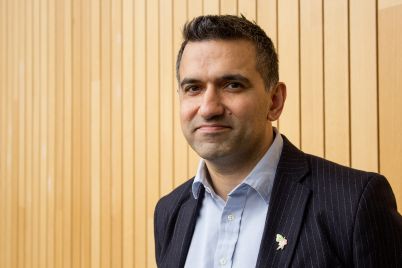
Heath Alexander-Bew, Personal Lines Director at Alan Boswell Group, commented: “The difference between the top and bottom of this ranking varies a lot. Firefighters in West Midlands reached primary fires in an average of 6 minutes and 46 seconds, compared with 13 minutes and 11 seconds in Cornwall. That’s more than six minutes, although response times alone can’t tell us why that gap exists. Crews covering rural areas may have much farther to travel than those working in a city.
“The figures for fires in homes are worth looking at separately. Tyne and Wear averaged 6 minutes and 38 seconds for dwelling fires, while Suffolk averaged 11 minutes and 38 seconds. These fires are already included in the primary fire figures, but showing them on their own makes the findings more relevant to households. The time it takes help to arrive can vary quite a bit depending on where you live.
“Most people will hopefully never need to call the fire service, but it’s difficult to make a plan once a fire has started. Check that your smoke alarms work, keep your way out clear and make sure everyone at home knows what to do. If there is a fire, get outside, call 999 and stay out.”