Changes to Statutory Sick Pay (SSP) have now taken effect but a poll of 600 small and medium-sized businesses (SMEs) conducted by The HR Dept – the UK’s largest network of HR consultants – has found that almost half of employers (46%) are unprepared for the changes and 75% fear they could be unintentionally exploited financially.
From 6 April, the current three-day waiting period has been replaced, and workers are now able to claim SSP from day one of absence. Coupled with the removal of the Lower Earnings Limit (LEL) for SSP, this means that anyone off work due to illness will still receive some pay, regardless of what they earn.
But SME employers express concern. Many believe that this could unintentionally encourage more sick days, which in turn would lead to decreased productivity and expose employers to higher worker costs they might not be able to afford – especially those running lean or marginal operations.
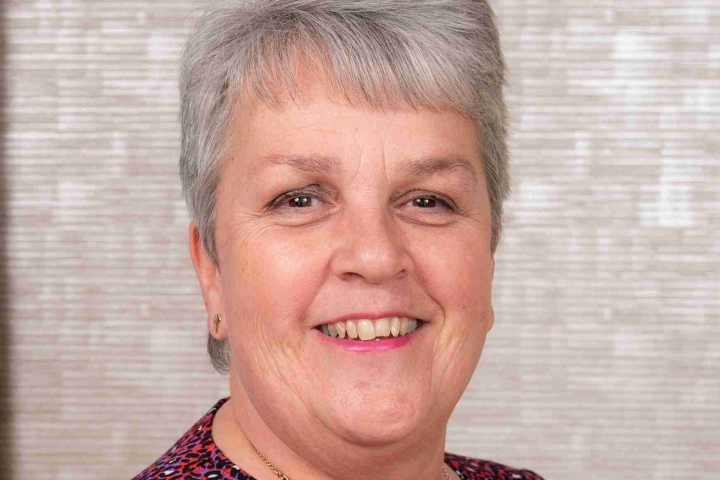
However, as Michaela Gartside, Director of HR Dept Bracknell, Windsor and Heathrow, argues, such concerns are less of an issue for those SMEs who have already acted early to mitigate the potential financial risks.
She said: “Many UK businesses have avoided adopting a proactive approach to absence and have instead been relying on the three-day SSP waiting period as their de facto absence management policy. But, for the 54% of businesses who are prepared versus the 46% who are not, the impact of the new rules will be marginal. That is because they have already invested in fair systems and robust HR practices, which naturally curb unnecessary sickness rates.”
She added: “The real risk is not the legislation; it is the failure to manage people fairly and effectively. The hallmarks of a good sickness absence policy have not changed in April 2026 – they have simply become non-negotiable.”
The changes should be at the top of the agenda for SME business owners, the HR Dept urges. Having a clear and comprehensive absence management policy and processes in place is essential for all SMEs.
This is because it ensures fairness, prevents issues escalating, increases worker productivity, performance and morale, and creates a healthier workplace culture that people want to work within.
Not having a clear absence management process in place could lead to businesses being taken advantage of, where employees use sickness as an excuse for ulterior reasons. A clear process makes it easier for employers to effectively track and manage sick days in these scenarios, such as those outlined below:
Employee scenarios:
- A part-time worker earning £100 for six hours of work per week will be eligible to receive 80% of their normal earnings for each day they miss immediately, rather than being unpaid for the first three shifts, which could lead to more shift worker absences for duplicitous reasons.
- An employee may be prevented from getting to their place of work despite being fit to do so, and while reasonable adjustments such as working from home can be made, that employee might opt to call in sick instead, in the knowledge that they would still be financially compensated.
- Before the new changes take effect, an individual with caring responsibilities required to unexpectedly look after a dependent would take the day off as unpaid leave, but now they can still get paid if they take it off as a sick day instead.