
Chancellor John Healey’s first Budget will hand high growth founders the most generous tax relief since 2020 but halves the lifetime limit on the relief many other business owners rely on, according to accountancy and business advisory firm Johnston Carmichael.
From 6 April 2027, qualifying founders of high-growth, innovative companies will benefit from a new 10%, compared with the standard 24% rate, on up to £10m of lifetime gains. Eligibility will be set following a technical consultation, but the conditions are likely to be stringent.
On the same date, the lifetime limit for Business Asset Disposal Relief (BADR), which reduces the CGT rate to 18%, is halved from £1m to £500,000. A founder who qualifies for the new relief on the full £10m could save up to £1.4m while those who rely on BADR will see their maximum saving fall from £60,000 to £30,000. The Treasury says three in four BADR claimants will be unaffected.
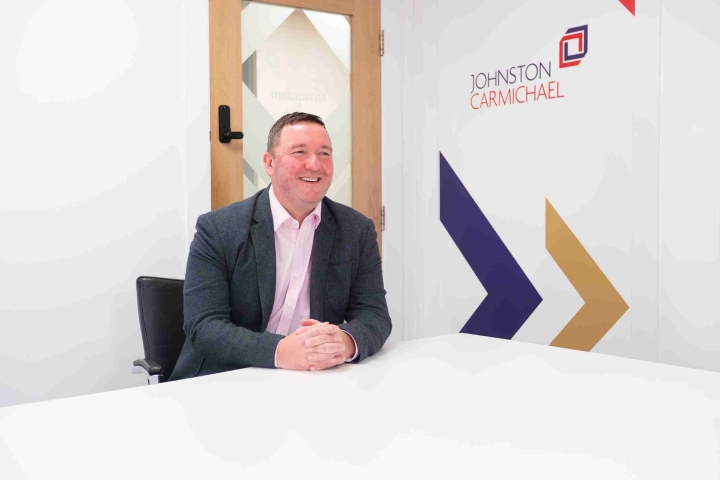
Paul Shields, Partner at Johnston Carmichael and Head of its Newcastle office, said:
“Ahead of the Budget, we said founders needed a relief that properly rewards the risk of building a business. For high-growth, innovative companies, the Chancellor has delivered exactly that. A 10% rate on up to £10m tells anyone building the next big British business that the UK wants them to do it here.
“But this Budget has created two classes of founder. The engineering firm, the hotel, the family business that sustain jobs in local communities here in the North East and across the UK – these are the backbone of the economy, and most are unlikely to count as high-growth and innovative. The cut to Business Asset Disposal Relief affects exactly the owners who spent a lifetime building something substantial. The consultation on who qualifies for Founders’ Relief must address that divide.
“Keeping the 25% cap and full expensing gives businesses planning significant capital investment some continuity. But spending that doesn’t qualify for full expensing will now be relieved more slowly. Any business contemplating material capital expenditure should look carefully at the timing and nature of that investment, and at whether it can qualify for full expensing or the enhanced First Year Allowance.
“The government has committed to protecting capital treatment for genuine changes in ownership, including family business succession, and intends to expand demerger relief in some circumstances. These commitments are welcome, but the detailed rules will be critical in determining how effectively legitimate succession, shareholder exits and commercial reorganisations are protected.
“The Chancellor has promised breathing space now and fresh hope for the years ahead. But what businesses need most from a Budget is long-term certainty. This is what all of our clients here in the North East are calling for. But once again the rules have changed for people trying to plan ahead. Business Asset Disposal Relief is a case in point. Since 2020, the lifetime limit has gone from £10m to £1m and now to £500,000, and the rate has nearly doubled from 10% to 18%.
“Businesses are built over a lifetime, not a single Parliament. Owners need to plan succession years in advance, and repeated changes to the tax treatment of business disposals make that planning more difficult. Moves such as asking Ofgem to scrap gas standing charges are welcome, but they’re tinkering at the edges. A tax system set for the long term and then left alone would do far more for investment and growth than another round of adjustments.”