The University of Suffolk’s Architecture course has reached a defining moment. After a rigorous two-day assessment, the BA (Hons) Architecture programme has been awarded full validation by the Royal Institute of British Architects (RIBA), placing it firmly on the national and international map.
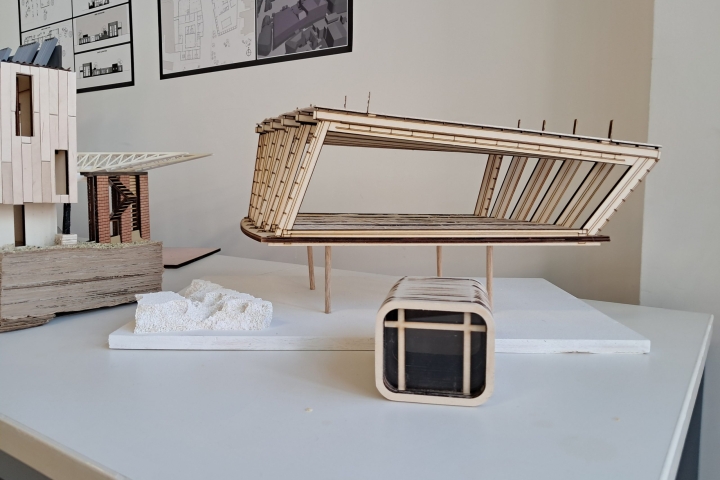
RIBA, the global professional body for architects, visited the University in early December to put the course through its paces. The review was comprehensive: student portfolios and transcripts were scrutinised, teaching standards and facilities assessed, and in-depth discussions held with staff, students, senior management and external examiners. A full exhibition of student work spanning all three years of study formed part of the evaluation.
The outcome was clear. RIBA validation was granted, formally recognising the course as a strong foundation for professional architectural practice.
The achievement marks the culmination of a journey that began in 2021, when the programme secured RIBA candidate status and entered a period of close monitoring against the institute’s benchmarks. Full validation now means graduates will be eligible to progress to RIBA Part 2 postgraduate architecture courses around the world.
Crucially, the course already holds Part 1 prescription from the Architects Registration Board (ARB), the UK’s statutory regulator for architects. With accreditation from both RIBA and ARB, the University of Suffolk’s architecture programme now carries the industry’s two most important stamps of approval.
For Course Leader and Senior Lecturer Aishani Jayasinghe, the validation represents both recognition and reassurance.
“Securing RIBA validation for the first time is a very significant milestone for our course and demonstrates the high standard of teaching our students enjoy,” she said.
“RIBA recognition is incredibly important for architecture courses across the country, and having this will mean our future applicants and their families can be sure that they will have an exceptional experience in our fantastic facilities and with support from dedicated teachers with years of industry experience.”
The course’s strengths lie not only in accreditation, but in how students learn. Throughout their studies, undergraduates work on real-world sites across Suffolk, developing proposals for locations such as Orford Ness, the former Sanyo factory in Lowestoft, Cliff House in Felixstowe, and several sites in Ipswich including Fore Street and the old Crown Court.
Their education is also shaped beyond the county. Field trips to cities including Rome, Rotterdam and Copenhagen expose students to some of Europe’s most influential architectural thinking, while visits across East Anglia ground their work in regional context.
Earlier this term, the public was invited to see the results. A free exhibition, Architecture – Volume Zero, showcased student projects in the University’s Waterfront Building, offering a snapshot of a course now firmly validated by the profession it serves.