
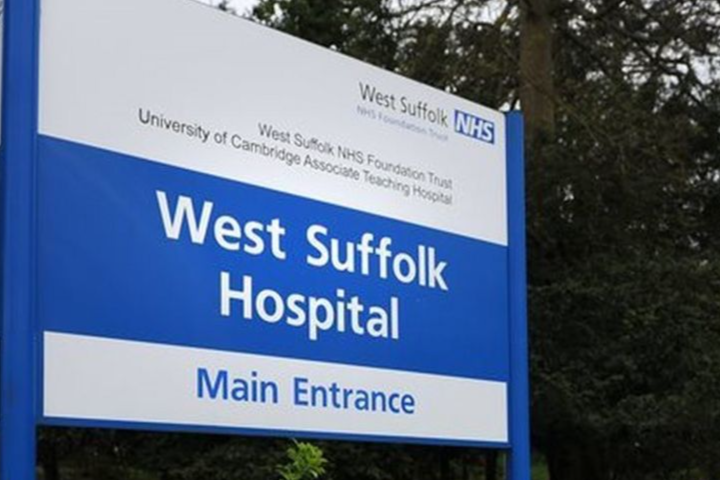
A consultant who poured beer down a colleague’s cleavage before licking it off has been suspended from practising medicine for a year. The incident, which took place during a Christmas party while he was employed at West Suffolk Hospital, has prompted renewed calls for vigilance and accountability in the NHS following what the tribunal described as clear sexual harassment in the NHS.
Dr Mark Johnson, who joined West Suffolk Hospital in 2013, was accused of a series of inappropriate acts towards junior colleagues. A Medical Practitioners Tribunal Service (MPT) hearing was told he sent “derogatory and sexually demeaning” messages to one junior colleague that included remarks about breast size, sexual positions and oral sex. The messages were sent between November 2018 and November 2019 and formed part of a pattern of behaviour that led to disciplinary action and his eventual departure from the Trust after ten years of service.
The most serious allegations centred on a 2022 work Christmas party, where witnesses reported that Dr Johnson moved his hand up and down a colleague’s back, blew smoke from a vape into her face and kissed her without consent. He then tipped beer down the same colleague’s cleavage before licking it off, an act the General Medical Council (GMC) described as “a grave violation” of her “dignity.”
The MPT found that the doctor’s actions were “sexually motivated and constituted sexual harassment.” It described his conduct as “inherently serious, deliberate, and sexually motivated,” leading to the decision to suspend him for 12 months. The tribunal stated that while Dr Johnson’s fitness to practise was impaired, his behaviour did not demonstrate a persistent or predatory pattern. It concluded he was “capable of remediation” and had “developed meaningful insight” into his actions, alongside evidence of “sustainable behavioural change.”
During the hearing, the GMC representative had argued that Dr Johnson should be banned from medicine indefinitely, citing the severity of the misconduct and the impact on workplace safety and trust. The tribunal ultimately decided against a permanent ban, opting instead for a fixed suspension period. Dr Johnson, now employed at the Royal Sussex County Hospital, will remain unable to practise during that time.
Dr Richard Goodwin, medical director at West Suffolk NHS Foundation Trust, issued a firm response following the ruling. “We referred Dr Johnson to the GMC following an internal process, prompted by reports of potential sexual misconduct,” he said. “We’re committed to eradicating sexual harassment and abuse in the workplace by promoting a culture that fosters openness and transparency, and never tolerates unwanted, harmful or inappropriate sexual behaviours.”
The case has reignited wider discussion about sexual harassment in the NHS and the measures required to ensure healthcare environments remain safe for all staff. Reports of inappropriate behaviour within the medical profession have drawn increasing attention in recent years, as institutions work to improve reporting mechanisms and strengthen disciplinary frameworks.
While the MPT acknowledged that Dr Johnson had undertaken efforts to address his conduct, its ruling emphasised the seriousness of the offence and the responsibility of medical professionals to uphold the highest standards of behaviour both inside and outside the workplace. The tribunal noted that public confidence in the profession depended on such accountability.
The decision to impose a year-long suspension reflects an attempt to balance rehabilitation with deterrence, signalling that sexual harassment in the NHS will not be ignored or excused, even in cases where individuals show remorse or attempt reform. For many within the medical community, the outcome underscores an ongoing need for cultural change, consistent leadership and clear boundaries across every level of the health service.
Dr Johnson’s case stands as a reminder of the profound impact such actions can have on victims, colleagues and institutions alike. Though the tribunal recognised his potential for professional redemption, its findings left no doubt that his conduct represented a serious breach of trust. As hospitals and medical boards continue their work to root out inappropriate behaviour, this case serves as a stark example of why maintaining respect, professionalism and integrity remains vital in every aspect of healthcare.