The leader of Central Bedfordshire Council has criticised proposals that could see parts of Bedfordshire absorbed into a new Cambridgeshire authority, describing the idea as “highway robbery.”
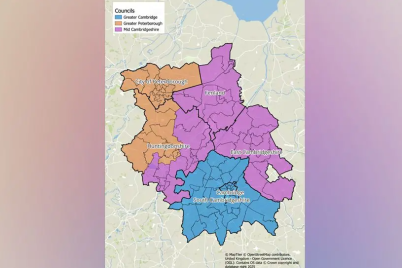
Adam Zerny, an independent councillor, raised concerns over documents from Huntingdonshire District Council suggesting that areas including Roxton, Wyboston and Chawston, Tempsford, Everton and Sandy could be transferred into a standalone Cambridgeshire authority. The proposals are part of wider discussions about replacing local authorities with newly created unitary councils.
Zerny highlighted that government guidance recommends any standalone unitary authority should have a population of at least 500,000, while Huntingdonshire currently has around 186,000 residents. A report by Huntingdonshire District Council noted that the planned construction of a new town in Tempsford could increase the population in Bedfordshire to approximately 317,000 by 2040.
The councillor also expressed frustration that Central Bedfordshire Council and Bedford Borough Council were not consulted before the document’s release. In a letter to Sarah Conboy, the Liberal Democrat executive leader of Huntingdonshire District Council, Zerny said: “I am left with the impression this land grab appears to be an attempt to justify the idea of Huntingdonshire as a standalone local authority, rather than what it should be – an effort to benefit local residents. Little did I expect to see a modern day highway robbery being proposed so close to us.”
In response, Conboy clarified that no boundary changes are currently planned. “As part of the government’s plans for local government reorganisation, we’re exploring a range of options, including a standalone unitary authority for Huntingdonshire known as Option E. We’re not currently proposing any boundary changes as part of Option E – references to Tempsford simply form part of wider analysis looking at how to support sustainable growth and effective local services. These options are exploratory and intended to inform future discussions about how best to manage growth and deliver effective governance in the long term,” she said.
The exchange highlights ongoing tensions between neighbouring councils as local authorities across the country consider restructuring into unitary authorities, with debates continuing over population thresholds, governance, and potential impacts on residents.