The organisers of Great Dunmow Carnival have confirmed that the long running free event can no longer continue in its current form. The announcement follows a review of compliance obligations that will significantly increase operational costs. The focus key phrase Great Dunmow Carnival rising costs captures the central issue faced by the committee as it assesses the viability of future events.
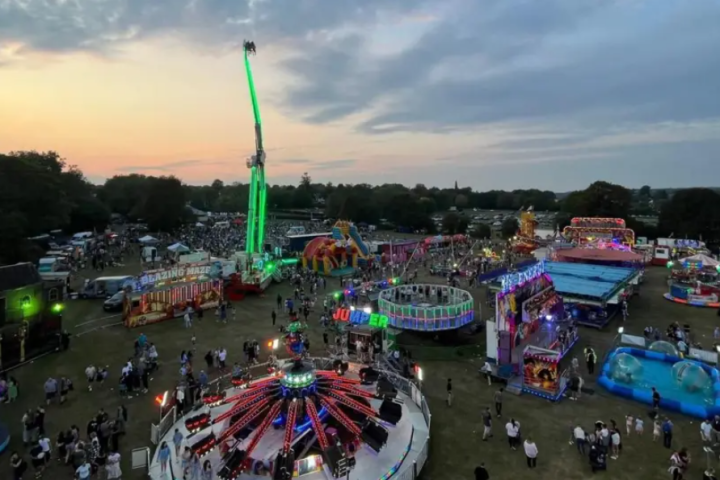
Great Dunmow Carnival has been volunteer led for 75 years and normally attracts up to 7,000 visitors. It features about 100 stalls from local businesses and charities and concludes with a firework display. Attendance has remained strong and committee co chairwoman Nicola Insley described turnout as amazing for what she called an incredibly small little town. Despite this community support, the organisers say the financial and logistical pressures created by new requirements have become too much.
At their most recent safety advisory group meeting with the local council, organisers were told there would be a substantial list of enhancements and upgrades needed to remain compliant. These changes stem from The Terrorism (Protection of Premises) Bill, known as Martyn’s Law, introduced in memory of Martyn Hett who was killed at the Manchester Arena bombing in 2017. When the legislation is enacted in 2027, venues with a capacity of 200 or more must have a plan in place in the event of an attack.
Ms Insley said meeting these obligations would cost an additional £4,000, and that extra security, stewarding and medical provision would be required. The committee issued a statement saying we fully support the law and understand how vital it is to keeping people safe. The challenge, though, is that Great Dunmow Carnival rising costs are outpacing the ability of a small volunteer group to sustain the event.
She explained that suppliers had kept their costs down for years, but expected that to change because everyone’s under pressure, aren’t they. The number of committee members has dropped and they depend on family and friends to help with stewarding and road closures. This reliance on informal support is no longer sufficient to satisfy the new demands being placed on the carnival.
The first Great Dunmow Carnival was held in 1951. Historic photographs capture children in costume and scenes that reflect the long tradition of the event. Up to 7,000 people attend today and many regard it as a key fixture in the local calendar. For the organisers, the decision to step back has been difficult.
It’s incredibly sad, Ms Insley said. You see all of the smiling faces and people genuinely do love it. She noted that so many other events are ticketed and described them as extortionate for families. The free nature of Great Dunmow Carnival has long been part of its appeal, which makes the impact of Great Dunmow Carnival rising costs even more significant.
The committee believes the only way forward is for an event management company or a larger community organisation with substantial resources to take over. As Ms Insley put it, it’s just got to the point where basically a group of 10 volunteers can’t take it forward.