By Shazna Khanom, Head of Clinical Mental Health at Bupa UK
What is seasonal affective disorder?
Seasonal affective disorder (SAD) is a type of depression that is linked to the change in seasons and is most commonly experienced during the autumn and winter months.
Many of us may experience a lack of energy, low mood and change in sleeping patterns during the winter – especially after the clocks change. If these changes interfere with your everyday life, you may have seasonal affective disorder (SAD).
What causes SAD?
SAD is often confused with periods of low mood or energy that many experience solely during the winter months – also known as ‘winter blues’.
SAD is often linked to reduced hours of sunlight in the shorter and darker winter months. This can affect your body’s internal clock, disrupting your usual sleep pattern.
Reduced sunlight has been linked to a drop in serotonin levels (a hormone that stabilises mood and wellbeing) and an increase in melatonin (a hormone which regulates sleep cycles),changes to these hormones can also trigger feelings of depression.
Symptoms of SAD
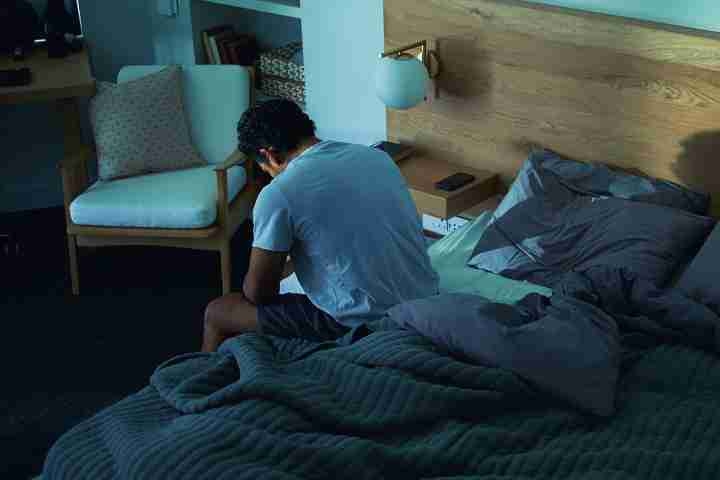
The symptoms of SAD are similar to other forms of depression. You may feel your overall wellbeing and mood is low and you lose interest in your usual activities. You may also find yourself lacking energy, struggling to sleep or a loss of appetite.
Some people who suffer from SAD also experience physical symptoms such as, headaches, heart palpitations and aches and pains.
Managing the symptoms of SAD
Here are five ways to manage SAD as the clocks go back and we head into the winter months.
- Enjoy natural sunlight during the day
If the lack of daylight hours are affecting your mood, try to make the most of them and get outside when you can. Even on a cloudy day, getting outside will help your body to get the light it’s craving.
Whether it’s a morning or lunchtime walk, wrap up warm and get outside in the fresh air to help boost your mood.
- Work in a bright environment
If you work indoors, whether this is from home or in the office, make an effort to let in as much sunlight to your working environment as you can. Open any curtains or blinds and sit by a window.
- Eat well
A healthy and balanced diet helps to look after your physical health and your mental health. Your body is likely to be craving sugary foods so, try to balance your diet with foods such as, pasta, oats, cereals, nuts and seeds which help to release energy slowly. It’s important to make sure you’re getting all the proper nutrients and vitamins into your body, foods rich in vitamin D and omega-3, such as oily fish, can help to improve mood.
- Stay in touch with others
Talking to a friend or family member about how you are feeling can help you to feel supported. Whilst they might not be able to change how you’re feeling, having someone to listen can really help.
Try arranging regular catchups, this could be going for a coffee, an afternoon walk or planning a fun activity to enjoy together at the weekends. Make sure your loved ones know how you are feeling so they can support you.
- Try a sun lamp
You can also try using SAD lamps. These are plug in lights which mimic the sun and may influence serotonin and melatonin.
Evidence around light-therapy is still not 100% conclusive, but it does look as though it can deliver positive short-term effects. This means it could be a helpful way to banish the winter blues until the days start getting longer.
Good news is that most sunlamps contain the UV filters, meaning they’re not harmful to us in the same way that sunlight can be. Always check the info of the sunlamp to confirm this.
If you’ve got conditions with your skin or eyes that make you sensitive to light, it’s worth checking in with your GP before using them.
Remember if you are struggling to cope with SAD or feel as though your symptoms of SAD are severe, speak to your doctor for advice and support.